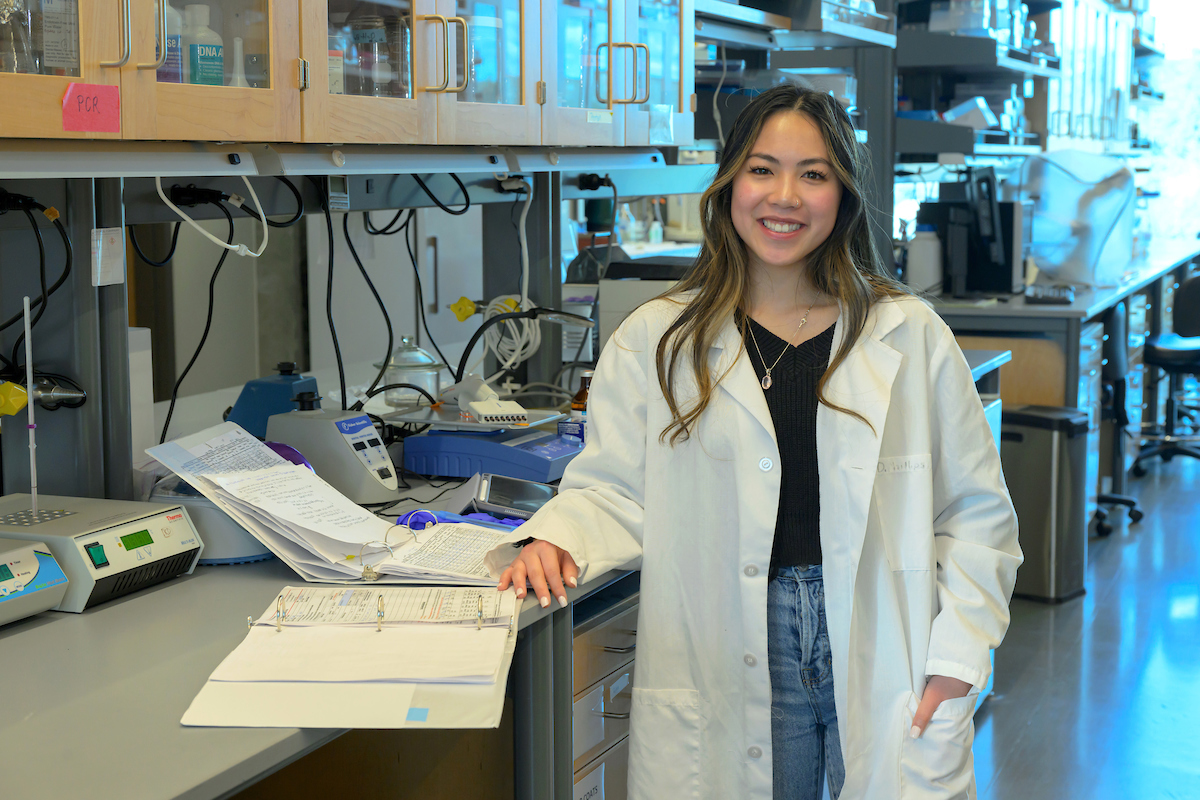
Neuroscience
Specializations
- Biomedical Business combines neuroscience and business courses to succeed in biotechnology entrepreneurship.
- General Neuroscience allows you to shape your own programs of study based on your interests.
- Pre-Professional Neuroscience helps you meet all the requirements for entrance into health professions programs such as medical or veterinary schools after graduation.
- Neuroscience Research focuses on helping you get the experience and build the skills necessary to be successful in a Master’s or PhD program in the biomedical sciences and go on to a research based career in science.
- Neuroscience Accelerated Veterinary track is a seven-year program for pre-veterinary students who are members of the Honors College that allows them to complete their undergraduate courses on an accelerated timeline and earn a BS and a DVM in seven years.
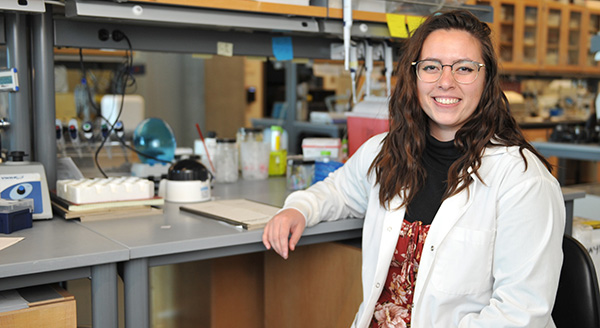
STARS Accelerated Degree Program
Ready to fast-track your future in biomedical research?
The STARS Accelerated Degree Program is your opportunity to gain hands-on research experience, mentorship, and a direct path toward a PhD or dual-degree program (MD/PhD or DVM/PhD).
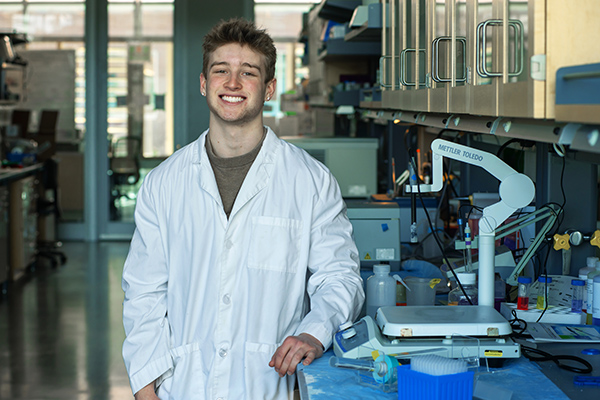
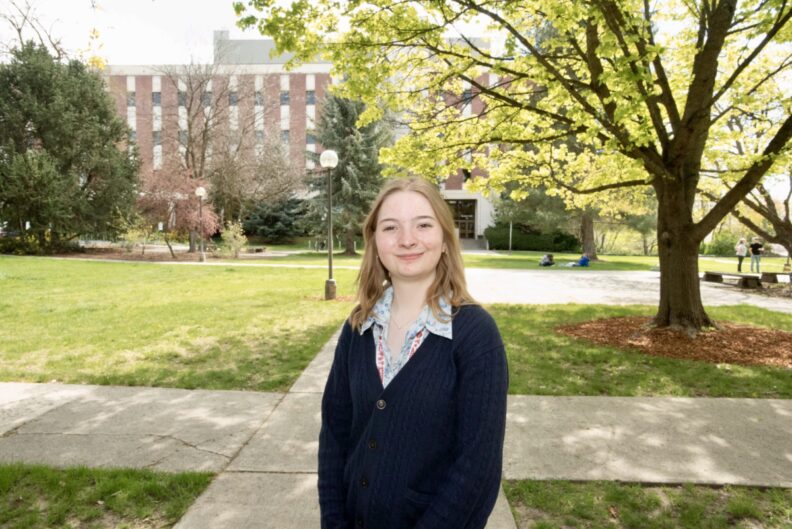
The opportunities provided here are great because you can work in a research lab and there’s just so much outreach that you can do to professors who really care about your success. I felt supported throughout this whole way. I’ve loved it here.
Peyton Burpee, Neuroscience
Career
With a Neuroscience degree, you can work in:
- Biomedical and Biotechnology industries
- Health care and physical therapy
- Pharmacy and pharmaceutical industry
- Private or governmental laboratories
- Research of neurological diseases
- Medical or Veterinary technical assistance
Tuition and financial resources
We know financial planning is important. Learn about estimated annual cost of attendance for resident and nonresident students, and available financial aid and scholarships.
If you’re a current undergraduate student, log in to the college’s internal web to see additional available college scholarships and financial resources.
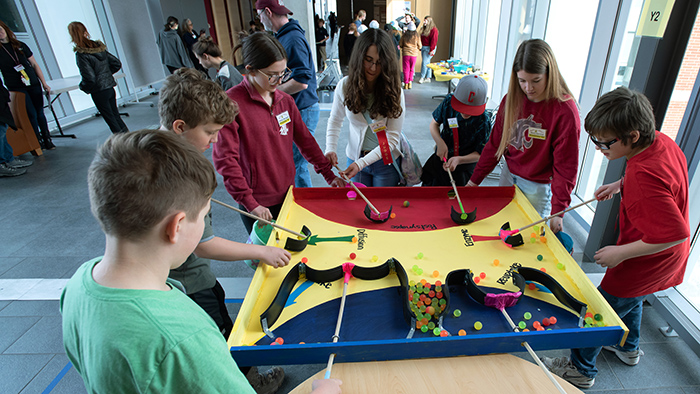
Kids Judge!
Elementary school students from area communities visit and evaluate the learning potential of exhibits developed by our undergraduates.
Undergraduate stories

About the department
The Department of Integrative Physiology and Neuroscience offers undergraduate through postdoctoral education in neuroscience and integrative physiology, and our faculty provide core instruction in the professional veterinary medical program. Students have the opportunity to work with leading faculty to gain hands-on research experiences beginning their very first year.
Questions about the Neuroscience degree program? Email neuromajor@vetmed.wsu.edu

Tours & visits
Pullman is located in the Palouse region of the Inland Northwest, homelands of the Nimíipuu (Nez Perce) Tribe and Palus people. The Palouse has one of the most beautiful and unique landscapes in the world. Rolling hills and wide-open skies give the region its distinctive appeal. Residents enjoy outdoor activities and the benefits of small town living with the cultural richness of bigger city life.
Notice of Nondiscrimination – WSU does not discriminate and prohibits discrimination on the basis of sex, race, color, national origin, disability, age, religion, creed, genetic information, marital status, protected veteran/military status, or immigration or citizenship status in any education program or activity that it operates complaint with Title IX and other civil rights laws and regulations. Inquiries regarding Title IX, ADA, or other civil rights laws, as well as reports of discrimination can be directed to the Compliance and Civil Rights, WSU ADA Coordinator, or WSU Title IX Coordinator. More information on WSU’s policies and procedures to respond to discrimination and harassment are available here: Nondiscrimination statement.